
by Ross Bishop

People feel they are about as happy as they could be. Life has its ups and downs, and they live their lives on what life gives them. They are mostly content with that and with notable exceptions, they get by. They settle into a routine and manage as best they can, blaming themselves for their inadequacies and failures.
At a deep level, they know that they could improve their lives, but that would mean rejecting their beliefs about themselves. Most people are simply not ready to do that, regardless of the pain that their beliefs cause.
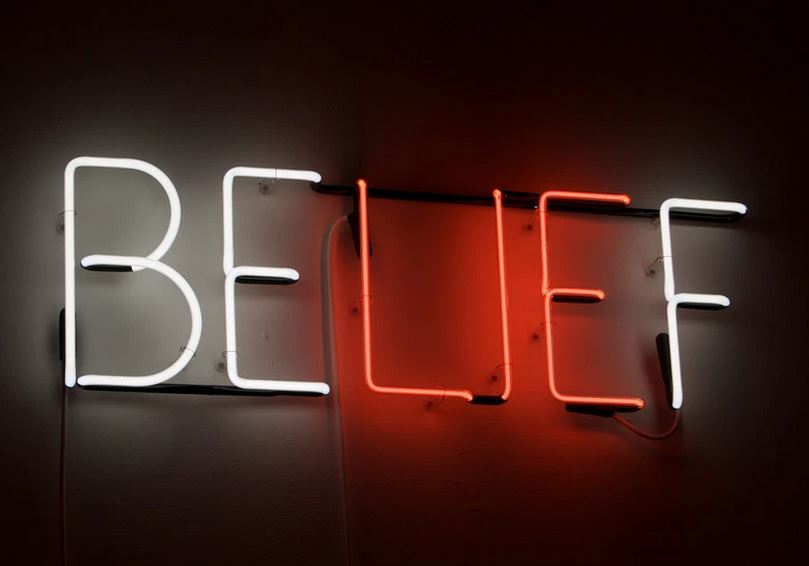
The way we humans hold on to woundedness is a most intriguing dilemma. At first glance, you would expect to see intense motivation for everyone to rid themselves of their limiting and restrictive negative influences. After all, they are an enormous source of pain. They inhibit us, wreck our lives and keep us from being happy.
Although some individuals work to eliminate these influences, most people are held hostage by the beliefs created by their feelings of unworthiness and unlovability. Deep down, they believe that this is who they truly are. We cannot seem to transcend our fears and limiting beliefs in order to find peace.

We would be happy if someone would put us in circumstances that would “make us happy,” but the idea of doing that ourselves goes against what we believe. People do not confront their beliefs because that makes happiness a choice, and that, in turn, makes them responsible for the outcome. And if you believe that you are unworthy or unlovable, you certainly would not want to put your worth to the test because, after all, what would you do if it turned out to be true? So, people compromise.
Why are we so powerless against these forces that profoundly affect and, in many cases, control our lives? We are told that being happy is possible, but we find that achieving it is difficult because it requires us to go through the dark swamp of our shadow selves, and that is where most people get hung up. Their beliefs control their lives, and there’s the rub. Believing something doesn’t make it true, even if we act on it.
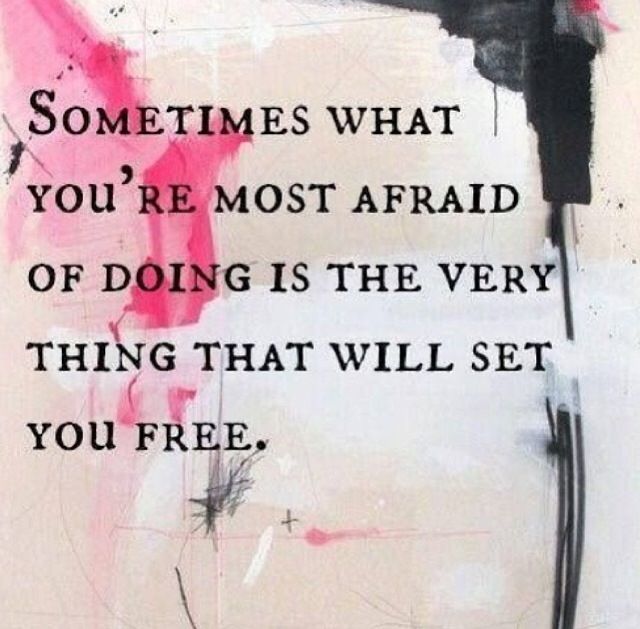
There are enough examples of our right-minded behavior to provide ample proof that our beliefs are false. Our lives are good, notwithstanding the occasional slip that gives the ego something it can cling to and claim, “See, you really are a screw-up!” And then we turn our beliefs into self-fulfilling prophecies.
To understand LIFE, we have to shift our perspective and see things from a much wider frame of reference, i.e., from God’s point of view. The human outlook is simply too limited and fear-based. A puzzle or a riddle is baffling until you figure it out. Life is puzzling until you see it from a broader perspective.
God created LIFE so that you could resolve the conflict between your beliefs and the truth. You brought this problem in with you, but it could not simply be taken from you because you have free will. In order to create happiness, you will have to decide that you deserve it. And you will keep coming back until you decide that you do! You see, there is nowhere else for you to go!
You are enrolled in a unique learning environment with a remarkable curriculum and an unconventional learning process. Nothing about the process is accidental. Nothing is random. Each step of your life process has been carefully designed to nudge you to find your way home.
You are being helped to find the place where your truth and happiness reside. It is sometimes a bumpy path because we primarily learn through our mistakes. Do something right and you don’t learn much. But screw up and all hell breaks loose!
MAKING MISTAKES, (although regrettable) IS HOW WE GROW AND CHANGE!
We are being asked to change and venture into an unfamiliar state, which goes against much of what we have come to believe about ourselves. It seems futile to put people here to be unhappy and stifle their passion, yet that is exactly what happens. LIFE is not always as it appears. And that is certainly true in this case. You are not defective, you are unfinished - and there is a world of difference between the two.
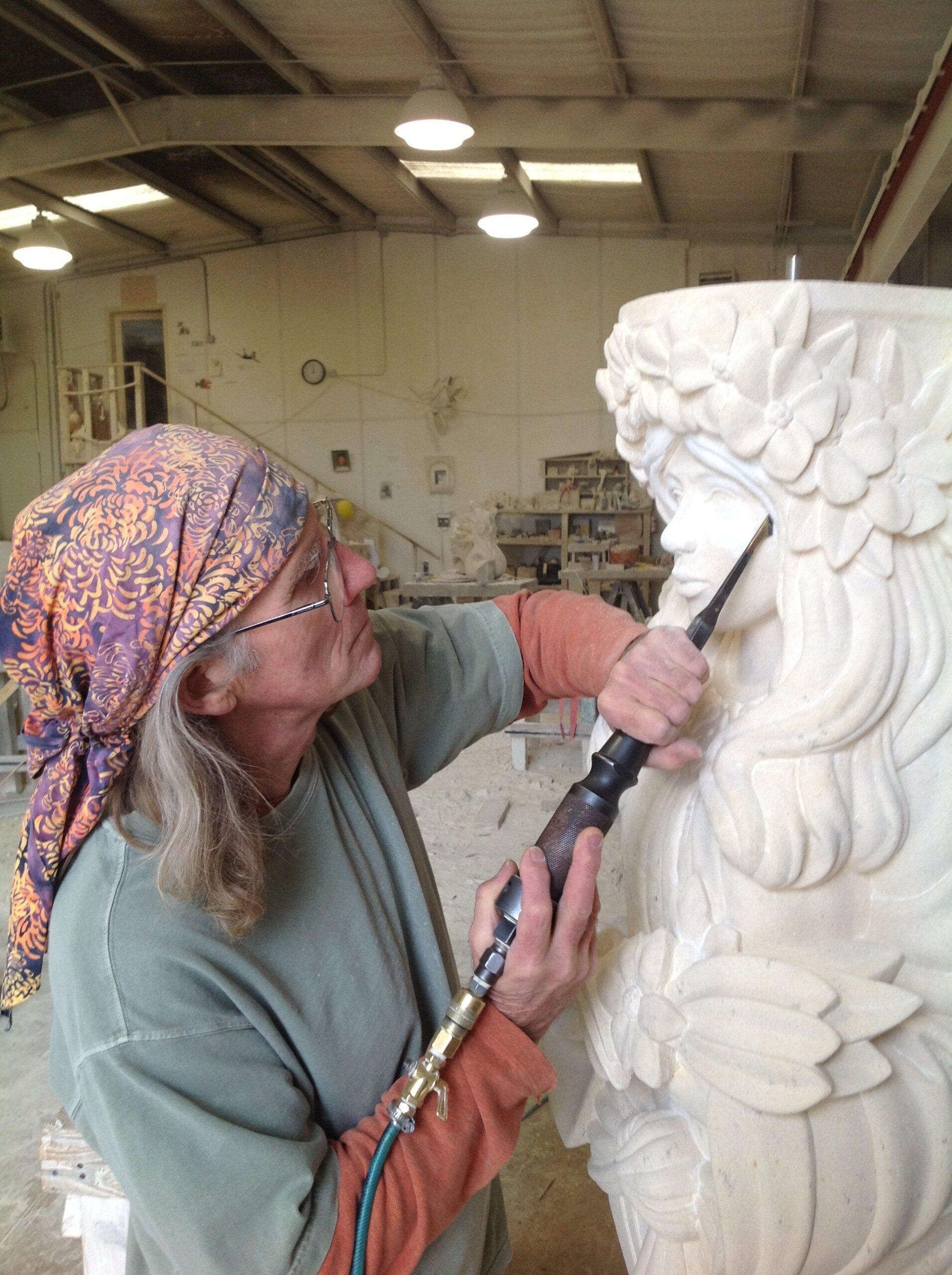
Consider a sculptor who carefully removes the superfluous material from the crude block until a masterpiece emerges. The great sculptor Michelangelo said, “I saw the angel in the marble and carved until I set him free.” Under The Creator’s careful guidance, you are being sculpted by removing that which isn’t you in deference to your beliefs. The process is sometimes painful, but that is because we resist the inevitable.
When we introduce our beliefs into situations we turn them into problems. Otherwise, they are just issues that need to be resolved. Think about your difficulties for a moment. Most of the time you focus on the conflict, but every difficulty or conflict you have ever had, either internally or with others, besides being stressful, has been created through the introduction of your beliefs.
Part of the reason this is all so difficult is that you must come to hold this truth so steadfastly that it is unshakable. That is not just to make life on Earth more pleasant, it is to prepare us for what is to come.
Every human being wants and needs:
1. To be part of something larger than themselves
2. To be paid attention to
3. To be listened to
4. To be respected
5. To be loved
6. To matter
Jerry Colonna was a high-flying New York venture capitalist in the early 1990s, but his life wasn’t as glamorous as most made it out to be. He was anxious, overweight, unhealthy, and unfulfilled. After suffering a panic attack on the streets of Manhattan, everything changed. He writes:
It’s not too late to wake up, to realize [that] for the pursuit of love, safety, and belonging, we shape ourselves, we shape-shift ourselves, kind of like a Marvel superhero, to fit the expectations of others. The forces at work are insidious and relentless and ubiquitous. . . . the real purpose of life boils down to discovering who you really are and living into that. And then you inject a little bit of kindness into that and then we have a fully actualized person.
Copyright@2024 Blue Lotus Press

