
Global warming isn’t coming. It is here. If you have paid attention to any of the news recently you know, and it is going to get worse until we do something about it. This issue is just too important to continue to ignore!

From Bernie Sanders:
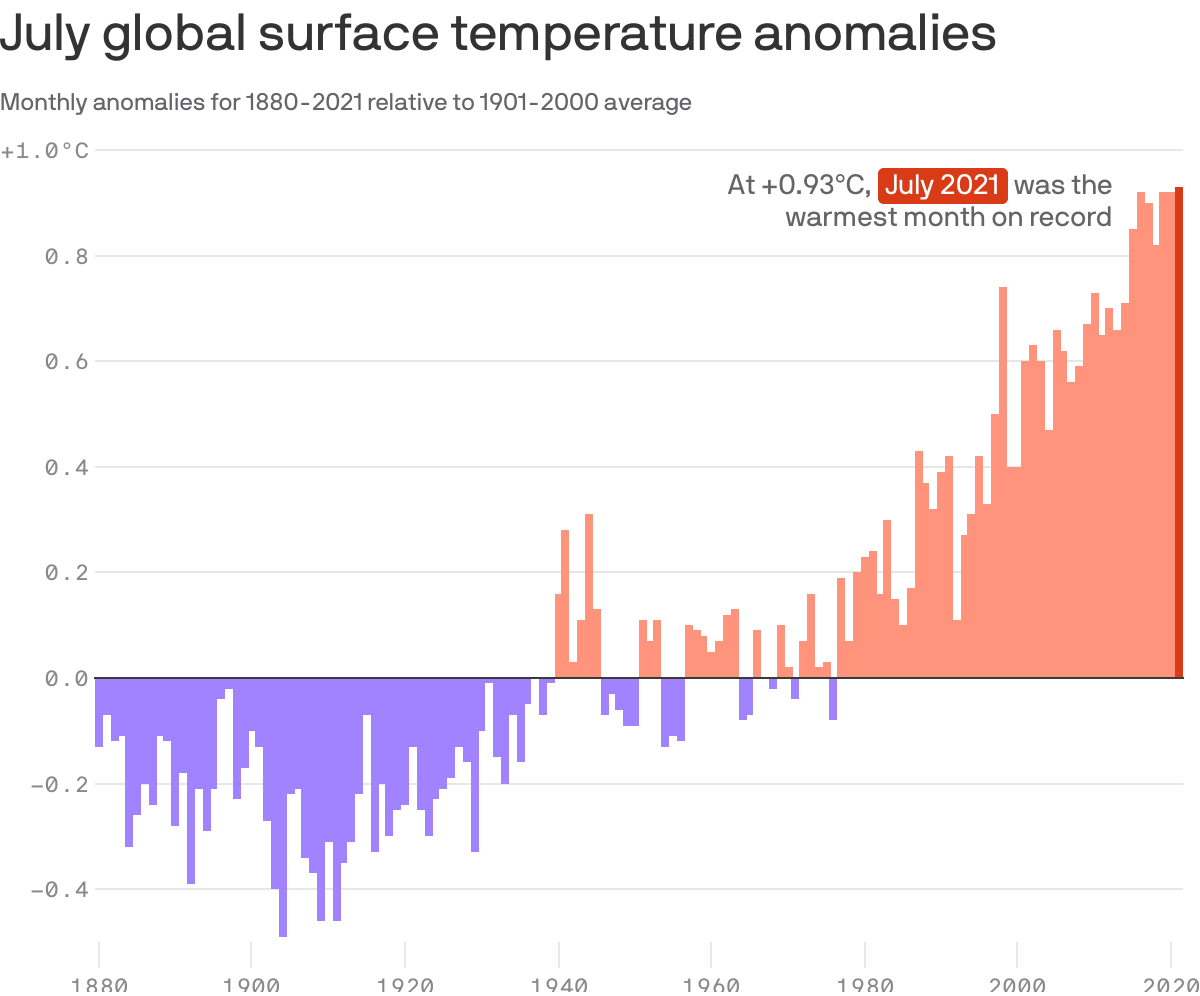
California is burning. Oregon is burning. Greece is burning. Siberia is burning. One of the most powerful hurricanes ever made landfall in the Gulf Coast just days ago. There is horrific drought impacting countries throughout the world. And July was the hottest month ever recorded. Let me say that again:
We just experienced the hottest month EVER in the history of the planet.
In California, six of the seven largest wildfires in the history of the state have happened in 2020 or 2021, and more acres have been burned this year than any other in recent history.
IT'S NOT JUST CALIFORNIA!
There are currently 80 active, large fires happening in the United States. Wildfires in Siberia — were larger than all of the world’s other wildfires combined. A European heatwave also sparked wildfires in France, Greece, and Italy. Just a reminder: eighty percent of our freshwater originates from forest lands.
Global warming is vitally important, but it feels like it’s largely out of our hands. The oceans, the tornadoes, the hurricanes, the forrest fires - it’s all so massive that there just doesn’t seem to be much impact that an individual can have! It’s been postured that way! 100 companies (most of them oil and coal producers) are responsible for 71% of the world’s greenhouse gas emissions. Those companies have most of the Western governments in their pockets.
This may seem like a lot right now, but as things get worse, you are going to have to do it anyway: GET INVOLVED! Come out of your shell and play a part! What can you do? Ride your Congressperson’s ass until they are tired of hearing from you. And get your friends involved, too.
There is incredible power in our collective voice over the political process if we use it! It can be a difficult thing to grasp, but the political power you, your fiends, their friends, etc. have, can snowball into an unstoppable colossus. It takes work and there will be opposition, but we did it with the Viet Nam War and we can certainly do this for the sake of the planet and our grandchildren.
Your Senator or Representative may seem like a nice guy, but don’t be fooled as to who is pulling the strings in Washington. And it’s not just Congress, the regulatory agencies have largely been bought and sold too - agencies like the EPA, NRC, FERC, U.S. Dept. of Energy, Dept. of the Interior, various regional power administrations, the 17 National Labs, and a myriad of state agencies have been compromised.
The simple fact is that Americans have the highest carbon footprint per capita in the world. The U.S., with 328 million people, is the second largest polluter on the planet, behind the greenhouse gas emissions of China with 1.4 billion people.
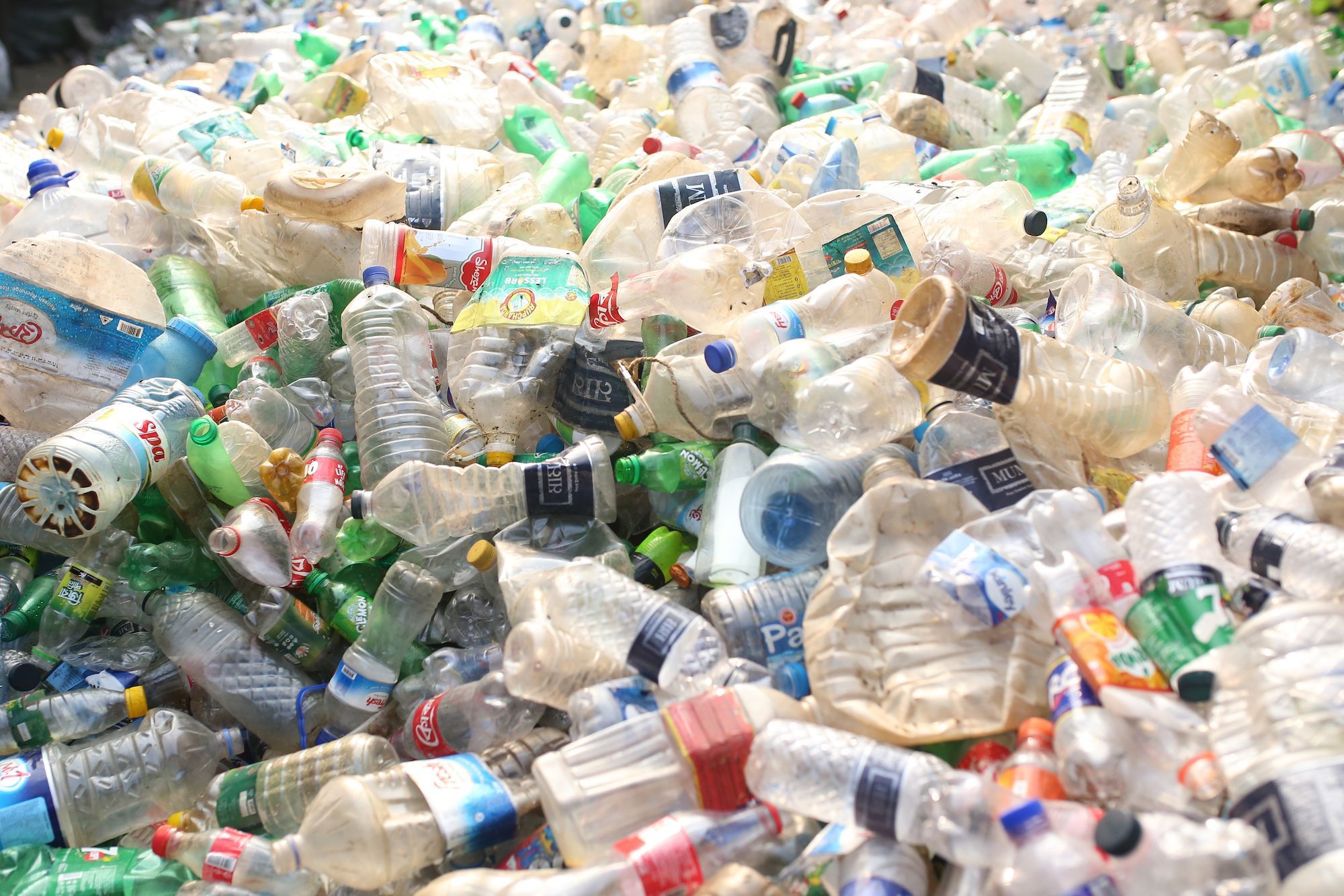
And, we suffer under one of the greatest con jobs put over on any society in the history of the world - plastics recycling. Less that 10% of all plastics are ever recycled. That means that 90% of the immense quantity of plastics we consume goes into landfills or worse, into the oceans. Although ocean dumping is illegal in the U.S.; China, Indonesia, the Philippines, Thailand and Vietnam are dumping huge quantities of plastics into the oceans.
THINGS YOU CAN DO AT HOME
I am going to concentrate on things you can do. What I am not going address is transportation, which unfortunately is our single greatest polluter. Transportation accounts for 29% of greenhouse gasses, but with the way our cities have been laid out and our cars designed, there is really little the average person can do to change things. And right now with COVID and all, it is not very top of the mind for Americans. But please, drive less, walk, bike, carpool or take mass transit whenever you can, you’ll save one pound of carbon dioxide for every mile you don't drive!
ENERGY USE
Reduce your heating and cooling budget. Things that heat or cool are heavy consumers of energy. Let yourself be a little warmer in the summer and cooler in the winter (wear a sweater). Wash clothes on warm where you can, hang your laundry out to dry, take shorter showers and buy a water-efficient shower head. Do whatever else you can to reduce heating and cooling - and water usage in general.
EAT LESS RED MEAT
Beef production requires 28x more land, 6x more fertilizer, and 11x more water than the calorie-equivalent of pork or chicken. This is one of the biggest ways to reduce your environmental impact. Eat fewer or smaller portions of meat, especially red meat.
RECYCLE
Recycling is important, but we are presently doing an awful job of it! Out of 300 million tons of waste generated each year, only 69 million tons are ever recycled. We could easily double that number. Paper production is the 5th largest energy consumer, while recycled paper takes 65% less energy to produce. Every ton of paper that is recycled saves 17 trees.
PLANT A GARDEN
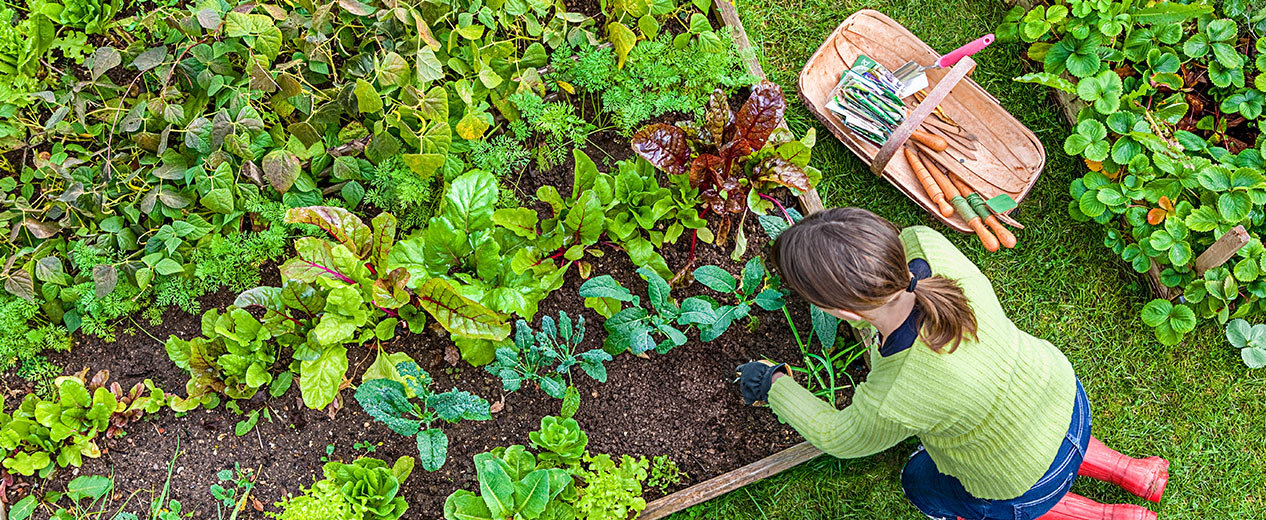
Tear up some of that non-productive lawn that you pour chemicals and fertilizers into (and have to mow) and create a garden! (Or, create a community garden with your neighbors.) You’ll eat healthier, it’s great exercise and it reduces the need to truck produce across the country. It’s a good learning environment for your kids too!
DRAIN AWARENESS
A lot of what we wash down the drain ends up in the oceans. To that end, there are some things you need to seriously consider:
SHAMPOO
You will think I am totally bonkers, but a group of us have experimented with this for over a year, and with fabulous results! Substitute your regular shampoo with rye flour. Yep - rye flour! When P&G created Pantene, they used rye flour as their model, and it really works! It is great for your hair and much kinder to the environment! Just create a flour and water paste and slather it on! Costs a lot less too!
GLASS CLEANER
Place one half cup of rubbing alcohol, one to two cups of water and one tablespoon of vinegar in a spray bottle. Use newspaper instead of paper towels or rags to clean glass.
IN THE KITCHEN
Liquid Dish Soap
½ cup warm water
2 tsp salt
½ cup white vinegar
½ cup Dr. Bronner’s Sal Suds
1 tsp lemon juice
Lemon essential oil (optional)
Combine water with salt, stirring until the salt is dissolved. In another bowl, combine vinegar, Sal Suds, and lemon juice. Stir this mixture into the salt water mixture, and stir until thickened. (You may wish to add 10 – 15 drops of lemon essential oil.) Pour mixture into a used dish soap container.
Dishwasher Detergent
1 cup washing soda
1 cup Borax
1/2 cup citric acid
1/2 cup salt
You can find citric acid in the canning section of your mega mart. The citric acid promotes clumping by attracting moisture. To avoid having a rock-hard clump of detergent, leave the mixture out on the counter for 1-2 days (out of reach for kids and pets) WITHOUT a lid. Stir the mixture several times each day before storing with a tight-fitting lid. (Storing in the refrigerator helps.) You can also add a tsp of rice. If you still have clumping problems, dump the entire hard mess into a food processor. (You’ll wash the food processor in the same powder.) If glassware is cloudy from hard water, ease up on the salt.
IN THE LAUNDRY
(Non-Toxic) Powdered Detergent
1 bar Fels Naptha soap
1 cup borax powder
1 cup washing soda
This detergent costs 7 cents per load.
Shave the bar of Fels Naptha with a serrated blade knife (or box cheese grater) over a paper towel and place the shavings in your food processor. Pulse a few times to reduce to the consistency of sand. Then add 1 cup each of borax and washing soda (not baking soda). Pulse a few more times to mix (you might want to cover the processor with a damp kitchen towel to reduce the fumes). You can use this straight, but I like to mix this 1:1 with Seventh Generation laundry powder (for heavy loads, add a squirt of Dr. Bronner’s to the washing machine).
For top-loading washing machines, use ½ to 1 cup (or 2 cups for very heavily soiled loads). For front-loading and high-efficiency machines, use 2 – 3 tablespoons.
(Non-Toxic) Liquid Laundry Detergent
1/2 cup borax powder
1/2 cup washing soda
1/2 cup Dr. Bronner’s Liquid Castile Soap
Combine ½ cup Borax, ½ cup washing soda (not baking soda) and ½ cup of Dr. Bronner’s into an empty gallon plastic jug (you’ll need a funnel). Then pour in 4 cups of hot water. Shake to mix. Then add enough water to fill the container. Shake the container before each use. For a standard-sized load of laundry, use ¼ cup. Use a little more for a heavily-soiled load.
Laundry Booster
Add white vinegar to your washer’s bleach dispenser. The vinegar will: whiten your whites, brighten your colors, eliminate static-cling, remove lint, kill bacteria and remove soap residue from your laundry and your machine, and your washing machine will smell much better!
Some Other Things You Might Consider:
Hang out your laundry
It seems old fashioned, but it saves good deal of energy. (You can tumble damp clothes in the dryer.)
Replace your light bulbs
Change to LEDs or other low-energy bulbs.
Compost
Feed the garden your kitchen scraps.
Check Your Tire Pressure (2x - 3x a year)
Keeping your tires inflated properly can improve your gas mileage by more than 3 percent. Every gallon of gasoline saved keeps 20 pounds of carbon dioxide out of the atmosphere.
Plant a tree
A single tree absorbs one ton of carbon dioxide over its lifetime.
The planet and your grandchildren will thank you!
