
by Ross Bishop
Life can be challenging. Since everyone experiences it, you probably see it as the price of being here. And that’s not wrong because it reflects the current state of our consciousness. But what if I told you that it doesn’t have to be that way?
There is a conflict between what we believe, especially about ourselves, and the truth. Why does this happen? Essentially, it’s simple—our spiritual growth is unfinished. While we’re still evolving, we tend to fall into negative thoughts about ourselves, like feeling unlovable and unworthy. And finding answers to the problems these negative thoughts cause is not easy.
You see, the Creator has given us free will, so He couldn’t simply implant us with the truth. Each of us must come to accept the truth on our own, and that is the root of our dilemma.
For example, suppose I believe something false, like that minorities are inferior people. When I express this outside the MAGA community, I’m likely to face pushback. On the other hand, if I don’t hold those beliefs, meaning I am aligned with the truth, there wouldn’t be any conflict! There would be nothing for others to take issue with.

The challenge becomes more difficult when our negative beliefs are about ourselves because those beliefs determine our behavior. For example, if I believe I am unlovable or unworthy, I will act accordingly. Others will respond to that, which further reinforces what I believe. Letting go of those beliefs, even when faced with evidence to the contrary, can be tough. Even if others see something good in us and respond positively, we might not accept those messages because they clash with what we believe.

But there is even more to this. The key to understanding why we are on Earth lies in resolving the inherent conflict between the truth and our beliefs. LIFE provides the means for us to resolve that difference. This is a vital aspect of our spiritual development, and it also explains why life can sometimes be so challenging.
When our spirit arrives on Earth, its development is incomplete. We are then placed in the care of parents who are perfectly chosen to expose and intensify the issues we brought in to work on. As a result, an innocent child is led to believe false things about themselves. Our false beliefs stem from unresolved childhood wounds. The child’s innocence is crucial to the process because it prevents the work from being confused with unrelated issues.
As we progress, we receive two kinds of signals about our beliefs that help us understand their conflict with the truth. The first is inner conflict. Doing something that is out of harmony causes discomfort. If you lie, cheat, or deceive, you will feel inner tension! Not as punishment as many think, but as a warning that your beliefs are out of synch with the truth.

It would be helpful if we paid more attention to our inner messages, but unfortunately, we’ve become so used to living with them that we mostly ignore them. After all, for better or worse, they reflect a vital part of who we believe we are, so we can’t just discard them.
The second kind of message we get helps us overcome our personal hesitation by involving others. If we hold negative beliefs about ourselves, people will respond to what we say or do. The feedback can take various forms, but the main idea is that one or more of our beliefs do not align with the truth. External feedback is often easier to hear because it is more straightforward.
However, hearing those messages can be challenging to accept because again, they conflict with what we believe about ourselves. And besides, the other person might be wrong! Also, it’s easy to blame them because they have their issues too! Focusing on the other person does allow us to avoid our internal conflict, but that’s just a temporary trick. We might hold that view for a while, but eventually, it will catch up with us. The Hindus call that karma.
The point is that we will have received two types of signals indicating that something within us is out of sync. If we stay open to hearing these messages, that opens the way for the work we came to Earth to do.
The challenge is to free ourselves from the swamp of self-condemnation so we can honestly evaluate our conflicts. We often avoid doing this because it forces us to question what we believe, which means letting go of our old beliefs and exploring new, unfamiliar ways of being. And if I am afraid of being hurt or rejected, it can be difficult to take the risk of opening myself up to someone else.
And the process isn’t easy! The path to enlightenment is filled with the ruins of old, unresolved conflicts and painful, self-condemning memories. Even if things get better in the future, our current beliefs will strongly resist change. Since our beliefs are false and cause conflicts, you will eventually let them go—usually after a difficult struggle—in favor of the truth.
Simply put, there is only one eventual outcome for us: to discover the truth about ourselves. There’s nowhere else for us to go! The good news is that once achieved, we will hold the truth more firmly than any other method could teach us. Plus, life becomes calmer and more peaceful when we accept the truth.

The solution to this problem is to pay close attention to your conflicts—both internal and external. Understand that dealing with internal conflicts can be challenging. Watch out for self-doubts and unfounded fears, as they indicate that something is out of balance. When external issues come up, be open to listening before becoming defensive and dismissing them completely.
To challenge your established beliefs, you need to feel secure enough to let them go. And as I mentioned, this isn’t easy. However, if you’re willing to accept it, the world will reveal the truth to you. Otherwise, you’ll keep rationalizing away what you feel.

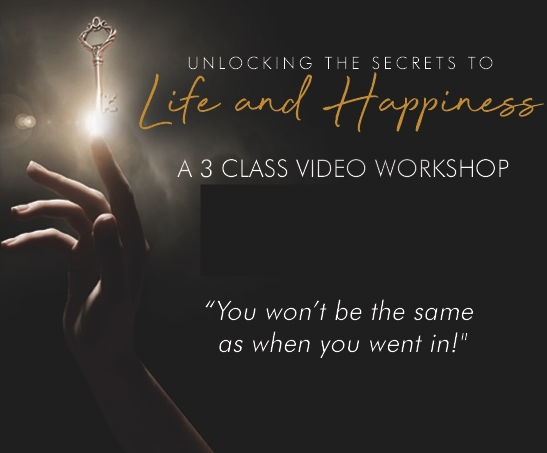
I have created a workshop that delves deeper into these concepts and includes exercises to support your journey. You can find it on my website at: https://www.rossbishop.com/workshop/
copyright©2025 Blue Lotus Press
