
By Ross Bishop

For most of us, the pandemic has been a significant pain. It has been a disaster for school, daily routines, work, being with friends, family holidays and generally for our peace of mind. It has cost some people their jobs and taxed the medical system beyond its limits. For some others, the cost has been much higher.
It is easy to get lost in the day-to-day struggle - wearing masks, social distancing, the disrupted schedule of the kids, working from home, paying rent, the god-awful mess in Washington and of course, the sheer number of fatalities. The stress is more than any of us were prepared for.
Yet, there is another side to this crisis. The pandemic offers us a rare opportunity to re-examine our beliefs and the choices we make around them. The situation offers us the opportunity to stretch and grow in ways that might otherwise take years of personal work. To find the lessons contained in this challenge we must look beyond the physical and search for deeper meanings, because although it may not seem like it, crises like COVID aren’t random occurrences. They come to encourage us, rather forcefully, to change and grow.
The COVID-19 pandemic calls into question our commitment to each other. It’s no longer about caring about each other, but rather caring FOR each other. The question is, how far are you willing to go to keep other people safe? To see to their well being? It starts out with masking and social distancing to protect ourselves, but the real question is, “How willing are we to make personal sacrifices to help others?” Dr. Francis Collins, director of the National Institutes of Health said, “This is a ‘love your neighbor’ moment, where we all have a chance to do something not just for ourselves but for everybody around us.”
Most people hunkered down and looked after their own as we were guided to do. And what were the consequences of staying home? If you were lucky, you dodged the bullet and nothing much happened. And if not, the results were everything from debilitating to fatal.
Some others, like store clerks, food bank volunteers, truck drivers, postal workers and many others, put themselves at risk by simply doing their jobs so that the rest of us would have an easier time of it. Others, like doctors, nurses and first responders stepped into the breach to save lives. It was a sacrifice that cost some of them their own lives.
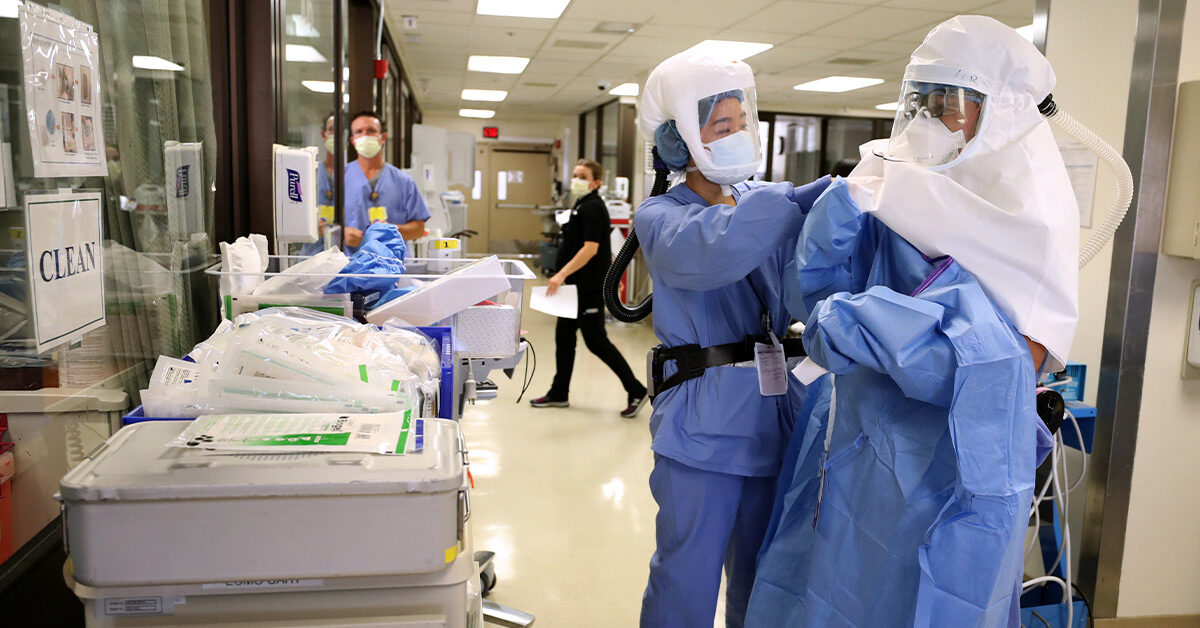
I am not saying you should have made other choices, but the old values of simply looking out for your own may no longer fit in tomorrow’s world. In regard to your own situation, unless you reject the seriousness of the virus, you need to look yourself in the mirror and consider how far out of your way you were willing to go to support others in this time of need. We may live in the same city, perhaps even on the same street, and we are being asked to accept the responsibility to love and care for people we probably do not even know.
Republicans in the “red states,” chose to largely ignore the implications of the pandemic. They said that they didn’t believe it was that serious. The vitality of their business community and resulting tax revenues were more important than the health of their citizens. They refused to close down bars and restaurants, mandate masks and social distancing and as a result, had some of the highest COVID death rates in the world. But, by God, they kept their freedoms! Tell that to the 600,000 people who died, a great many of them, unnecessarily. Tell that to the “long haulers” who were stricken but survived and are still suffering from debilitating symptoms. Viruses have no regard for human created boundaries.
The Black Lives Matter movement, although not a virus, presents us with a similar challenge, but to white people it is remote. For example, how willing have you been to come to the aid and defense of your minority brothers and sisters? Writing checks is wonderful, but it’s also passive. Minority people face real challenges from the white supremacists in our police forces, and its going to take a significant shift in consciousness in the larger society to make changes, and passive support just isn’t going to do it!
And here is the kicker - as difficult of both of those situations are - they are merely the precursors of a calamity so great that it makes those struggles seem like child’s play. They are the warm-up act to get us to change our behavior toward each other before the real challenge comes along. I am referring to global warming.
Global warming is not new, it has been developing for quite some time, and the scientific community has been warning us about it for years. And although it is all around us, the changes are often subtle, so they are easy to ignore. But like a great glacier, global warming moves relentlessly and with unimaginable power.

The thing is, if we are to manage this crisis we are going to have to totally redefine our culture. Our beliefs in capitalism, industrial environmental devastation, the philosophy of the rugged individual and the accumulation of personal wealth that propelled humankind out of the middle ages has also brought about planetary destruction of an almost unimaginable scale, and at the moment there is really nothing to stop it. Thomas Berry, in The Dream of the Earth said
We must go far beyond any transformation of contemporary culture. We must go back to the genetic imperative from which human cultures emerge originally and from which they can never be separated without losing their integrity and their survival capacity. None of our existing cultures can deal with this situation out of its own resources. We must invent, or reinvent, a sustainable human culture by a descent into our pre-rational, our instinctive resources. Our cultural resources have lost their integrity. They cannot be trusted.
Can we do it? I honestly do not know. Clearly capitalism and industrialism as we have known them, are gone. Whatever will replace them will have to be in total harmony with the environment. Although the challenge is massive, probably greater than anything humans have faced before, at the moment we don’t have the tools. Governments cannot be relied on to respond, they are too invested in the existing system. The changes demanded of us will have to come from a massive upwelling from the populace.
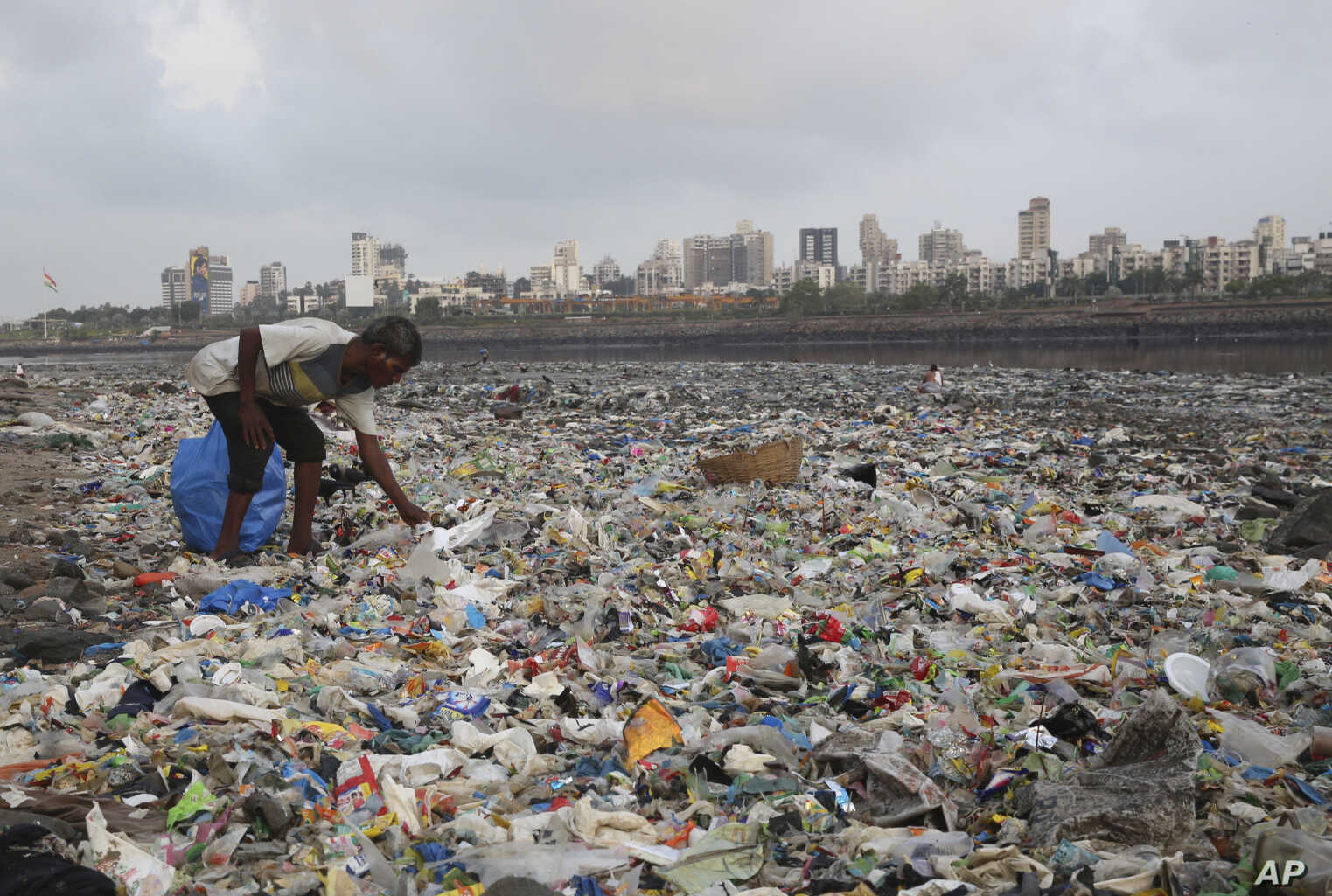
Americans are pretty wedded to their lifestyles. I seriously question whether they will be willing make the changes that will be necessary. Our culture has existed on a version of Darwin’s “survival of the fittest,” and will have to give way to a more inclusive group consciousness. And although this is absolutely true, it runs against the current strain of conservativism in the West . . . a strain so individualistic and so selfish that at present it won't allow for collective action aimed at the common good.
In one sense we won’t have any choice, and this is important. When humankind is confronted with a situation with few options, you know that we are being strongly prodded to change in a certain direction. To what end? Toward real compassion for the beings we share the planet with, human and otherwise.
And the question is, “What will our survival (the transition) cost us?” These are not new challenges. Human history is the saga of our relationship with one another and it has often been about conflict and conquest. But clearly somebody has decided to up the ante. These are not insurmountable challenges, but they will stretch us as never before as the requirements of the future stand in stark relief to the values and morays of even the recent past. Fundamental to our survival will be the realization that our fates are bound up with everyone else's and that if we are to survive, we must prosper together. And that “we” must include every living and breathing creature on the planet (plants too!).
I have spent time with traditional cultures that hold values that are closer to what we will probably have to create, but even those will not be wholly adequate to enable us to face the challenges that lie before us. We are going to need revolutionary ways to heal ourselves, heal each other and the planet, and together bring this higher consciousness into our daily existence. It is my belief that creating new healing arts through the utilization and true understanding of ancient forms (that have been with us for thousands of years) will provide the authentic opportunity to do just that. I have spent a life dedicated to the practice of shamanism and have to say that it probably holds the best chance of providing answers for our future.
Our survival will have to be through awakening to the symbiotic power within us all and within the universe. It is only through our actions today that the future of the planet and humankind can be assured. Without an individual, yet cohesive, acknowledgement of the scale of the challenges we are living through, our survival cannot be not assured.
Yes, COVID has been tough, but the real challenge lies ahead of us, and it is no doubt going to be a rough ride, but we can make it. Do not be dissuaded. What this is all about is each of us making the transition to a more inclusive consciousness.
copyright ©️ 2021 Blue Lotus Press
