
By Ross Bishop
Franz Kafka, the great patron-martyr of self-criticism, captured the situation perfectly when he wrote: “There’s only one thing certain. That is one’s own inadequacy.”
Of all the voices in our heads, the critic is the one we are most familiar with. It relentlessly tells us that we are never as good as we should be. Each day brings its necessary quotient of self-disappointment, but without our being given the resources, the language, to wonder who or what is setting the pace; or where these rather punishing standards come from.
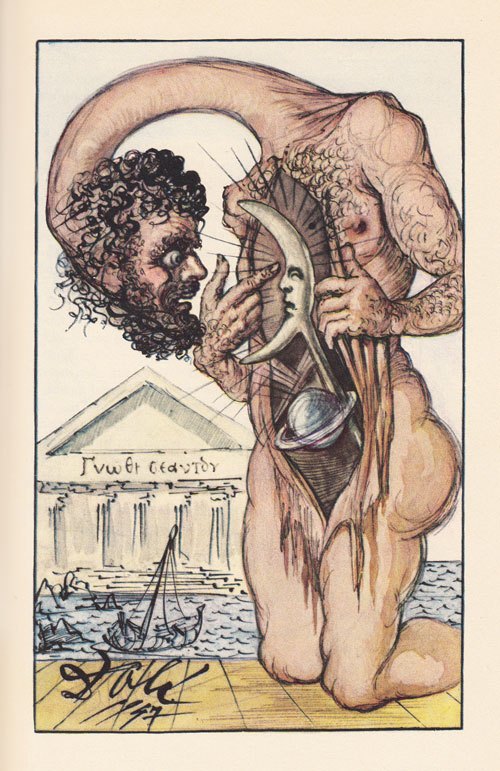
The critic is essential to our sense, our picture of, our so-called selves. Its attention is inward-focused and interestingly, serves no constructive purpose. Whereas conscience, whose focus is largely external, serves as a guide to help shape and modify our behavior.
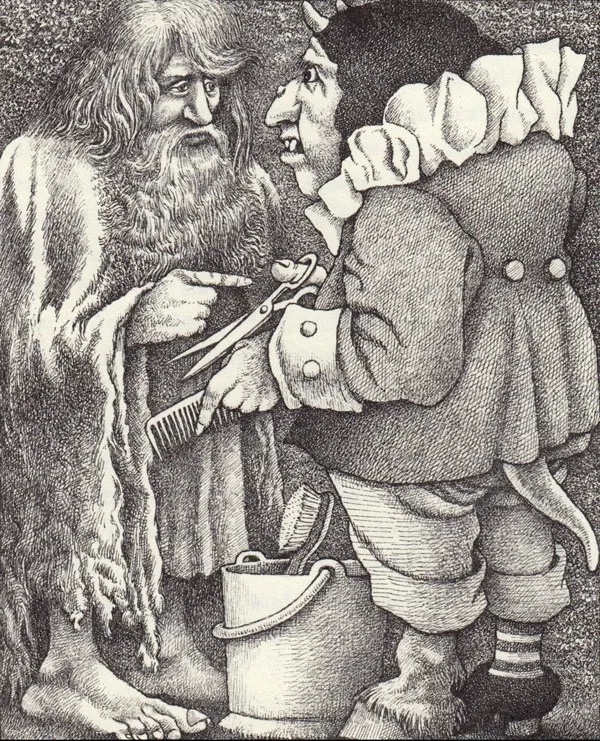
Were we to meet our critic, this accusatory character, this internal critic, this unrelenting fault-finder, socially, we would think there was something wrong with him. He would just be boring and cruel. We might think that something terrible had happened to him, that he was living in the aftermath, in the fallout, of some catastrophe. And we would be right. And, every person on the planet suffers under these cruel ministrations.
Whenever you find a characteristic that cuts across all of humanity, you know that something much more significant is taking place. And that is certainly true in this case. Even though, as I say, that self criticism seems to serve no useful purpose; nothing makes us more critical, more confounded — more suspicious, or appalled — than the suggestion that we should drop this relentless criticism; that we should be less impressed by it. Or at least that self-criticism should cease to have the hold over us that it does. How is it that something that serves only to tear us down, that makes us feel so awful about ourselves, holds a virtually unshakeable place in the human pantheon of angels, guides and other voices?
I have always felt there was something ironic about Christ’s admonition to “love thy neighbor as thyself,” precisely because in reality, people hate themselves. Consider the suggestion, as I say, that we should drop all this relentless criticism, that we should be less impressed by it, and start really loving ourselves.
Did you just hit a wall?
You see, the other side of self criticism is self love. And if I really start to love myself, I am going to have to share what I feel. That’s what love does. I will not be able to hide my new-found light under a bucket. And that means I am going to have to take risks by openly connecting with others.
And that goes against the karmic message of lifetimes where you were literally punished - stoned, crucified, burned at the stake or otherwise ostracized for speaking your truth or openly criticizing the Church or king, or living as you desired - whatever . . . It is the painful memory of those experiences that gives the critic its power.
When you are considering exposing yourself to possible rejection, it says, “You want to open your heart to these people again? No way! Look at what happened the last time you did that!” It also shuts you down by making you feel inadequate and unworthy so that you will be less inclined to take a risk and reach out.
Notice that the love you feel doesn’t matter here. This is about action, exposure, movement, i.e. the willingness to express. So now you see the real purpose of self criticism and the balancing role it plays in regard to your willingness or unwillingness to openly express your love. By keeping you down, you stay “safe.” The problem is that in staying safe, you also miss what you came here for.
“When a great ship is in harbor and moored, it is safe, there can be no doubt. But that is not what great ships are built for.” Clarissa Pinkola Estes
Have a conversation with this part of yourself. Like it or not, this part is holding and expressing your deepest inner feelings and beliefs. Years ago when I started this work I had a conversation with myself and I received quite a start. I asked this part of myself why it did all this stuff, why it kept me from being the person I thought I was. It’s response was very telling. It said, “You believe all this crap don’t you?”
copyright ©️ 2021 Blue Lotus Press
