
by Ross Bishop
The history of mankind has largely been marked by a conflict between those who have power and those who sought greater control over their lives. In the old days, people had few rights, little dignity, and were at the mercy of those who ruled them. Changes to these rules were granted either out of compassion or by force.
However, there were exceptions that illuminated the path to the future. One early example is the Code of Hammurabi. Hammurabi was the king of Babylon (1780 BC), and his code outlined rules governing the rights of women, men, children, and slaves.
The concept of rights can also be found in the principles of ancient Egypt, expressed through the female goddess Ma’at. Ma’at represented truth, order, balance and justice. Pharaoh Bocchoris (725–720 BC) advocated for individual rights, abolished imprisonment for debt and reformed laws governing property transfers for citizens. All citizens (except slaves) were regarded as equal and had the right to own property and receive fair treatment in court. Laws were created to protect citizens from harm and to ensure fairness in legal proceedings. Citizens were allowed to express their thoughts without fear of retaliation.
Guiding the development of these rights were the spiritual beliefs of each culture. As far back as 5,000 BC in the Middle East with the ancient Sumerians and 2,000 BC in the Americas with the Maya, a deity of some kind has always provided spiritual guidance to the people. Whether called Mau, Odin, Ra, Itzamná, Brahma, Isis, God, or Zeus, these deities were interpreted differently, yet up until the Industrial and Scientific Revolutions, there was always a spiritual presence influencing and guiding the development of every culture.
Many, perhaps most, of these ancient cultures also accepted slavery. Even in modern times, the 13th Amendment to our Constitution, which abolished slavery, was adopted in 1865, almost a century after the nation was founded by misogynist slaveholders who declared that “All men are created equal.” And today, 250 years later, we still struggle with the vestiges of racial prejudice and the “all men” business.
Regarding women’s rights, some older societies severely restricted women’s roles, and some of those cultures still maintain those restrictions today. In the U.S., the Equal Rights Amendment (ERA), which explicitly prohibits sex discrimination, was first proposed as a constitutional amendment in 1923, 150 years after the nation’s founding. It was never ratified. After being reintroduced in 1972, the amendment was approved by Congress, but ratification stalled as states in the Old South and the Cowboy West continued to refuse to ratify it.
Religious leaders promoted ethical behavior, encouraging fair dealings and social responsibility long before the term "business ethics" was coined. Ethics in business is simply the application of everyday moral norms. We can trace ethical responsibilities to sources such as the Ten Commandments, with its injunctions to truthfulness and honesty and its prohibition against theft and envy. A number of other ancient texts also speak of these qualities.
Plato addressed justice in the Republic, and Aristotle explicitly discusses economic relations, commerce, and trade in his Politics. His discussion of trade, exchange, property, acquisition, money, and wealth has an almost modern ring to it. He makes moral judgments about greed, or the pursuit of wealth for its own sake. He condemns usury and supports fairness in transactions.
Early Christianity had no discussion of business except in the context of justice and honesty in buying and selling. Thomas Aquinas discussed the morality of selling articles for more than they were worth and selling them at a higher price than was paid for them. Aquinas followed Aristotle's analysis and condemned usury.
Luther, Calvin, and John Wesley, among other Reformation figures, discussed trade and business and were instrumental in developing the Protestant work ethic. The modern period, however, sought to separate the religious and moral from the secular. In the process, economics and economic activity were divorced from moral and ethical concerns and joined with politics to form what became known as the political economy.
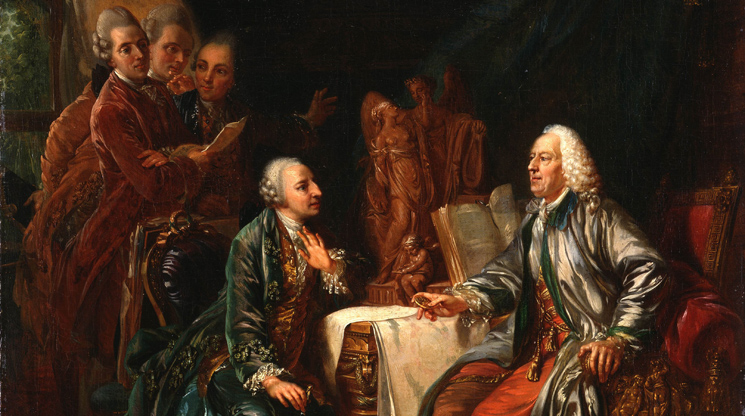
Toward the end of the 17th century, the emerging philosophies of the Enlightenment were marked by the publication of Descartes' Discourse on the Method in 1637, the Scientific Revolution, as noted in Newton's Principia Mathematica in 1687, and the onset of nascent capitalism and the Industrial Revolution. These are often regarded by historians as the most important events in human history.
Adam Smith is often considered the father of modern economics, best known for An Inquiry into the Nature and Causes of the Wealth of Nations, a defense of laissez-faire economics. But Smith was also a moral philosopher, and for him the realms of economics and morals were not separate. This was not true of those who came after him, however.
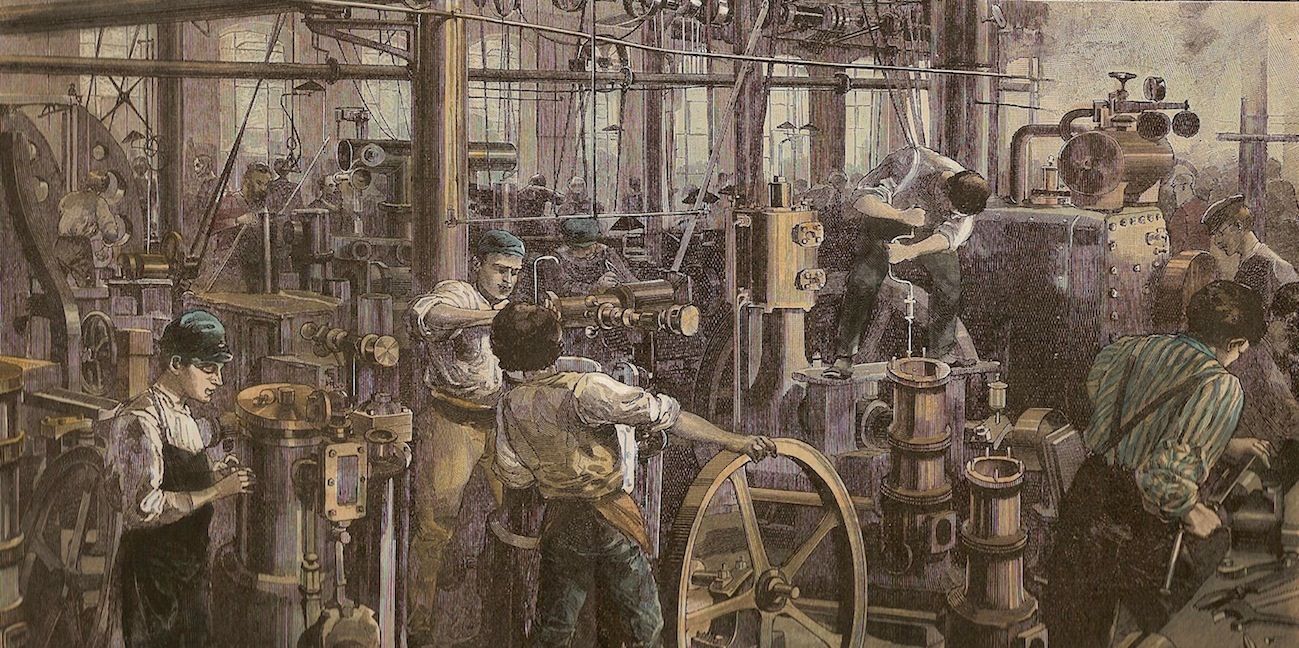
While this period is often celebrated for its technological progress, its reliance on rational thinking reshaped the culture's spiritual beliefs, moral values, and religious identity, undermining its established 2,000-year-old moral foundations. Unscientific (read: emotional and moral) qualities such as compassion and forgiveness could not be rationally or economically justified. Yet spiritual values speak to people's deeper, more fundamental needs, and this rift has remained unhealed to the present.
During this period, the interests of businessmen, particularly factory managers, sometimes dovetailed with those of religious leaders. The early factories drew laborers out of the unregulated countryside and into a more regimented lifestyle, making the church’s recruiting and preaching easier. This was especially true of temperance, which was championed in England and the United States by both religious leaders and businessmen.
As the wave of industrialization swept through society, it was difficult for any social organization or cause to stand against the onrushing tide. The momentum of change was simply too great. The so-called "Protestant work ethic," which valorized hard work, "clean living," and frugal spending, was the driving ethos behind the Industrial Revolution, even though the ethical considerations raised by early industry were considerable.
The widespread greed, corruption, and questionable ethics of the early business community posed a dilemma for the church. Conflicts over issues such as child labor, worker safety, low wages, working conditions, and long workdays conflicted with traditional religious values. There were occasional violent confrontations between fledgling workers’ organizations (later unions) and management.
Although progress was made against the most egregious management practices, the bosses ensured that politicians and government agencies were kept in line, and the once-powerful ethical voice of the church was shoved aside, allowing the self-centered values of the new economic order to bury the 2,000-year-old Christian ideals of benevolence and charity, along with safe work rules and other considerations.
Having lost moral authority yet refusing to yield the high ground, in 1891 Pope Leo XIII issued the first papal encyclical on social justice, Rerum Novarum. He opposed Marx’s Das Kapital and defended private property, while seeking to address exploitation through the concept of a just wage, defined as one sufficient "to support a frugal and well-behaved wage-earner, his wife and his children.” He didn’t receive much support for his ideas.
The aim of the encyclicals was not to propose any particular economic system but to insist that any system be consistent with Christian moral principles and improve the conditions of the masses of humanity, especially the poor and the least advantaged. But in seeking to close the gap between wages and profits, the Popes were treading on dangerous ground. Although later Popes were critical of existing economic structures, the Church had lost its moral authority, and their efforts were largely ignored.
The same is true of the Protestant tradition. In 1893, the Parliament of the World's Religions adopted a Declaration of a Global Ethic condemning "the abuses of the Earth's ecosystems, poverty, hunger, and the economic disparities that threaten many families with ruin.” It had little impact as it ran totally contrary to the tenets of capitalism.
As a result, neither the Church nor the government was any longer the ethical and moral voice that the culture and workers relied on. And so the business community steamrolled along, constrained by only the worst of ethical considerations (no child labor, 15-hour workdays, dangerous working conditions, and no compensation for workplace injuries, etc.).
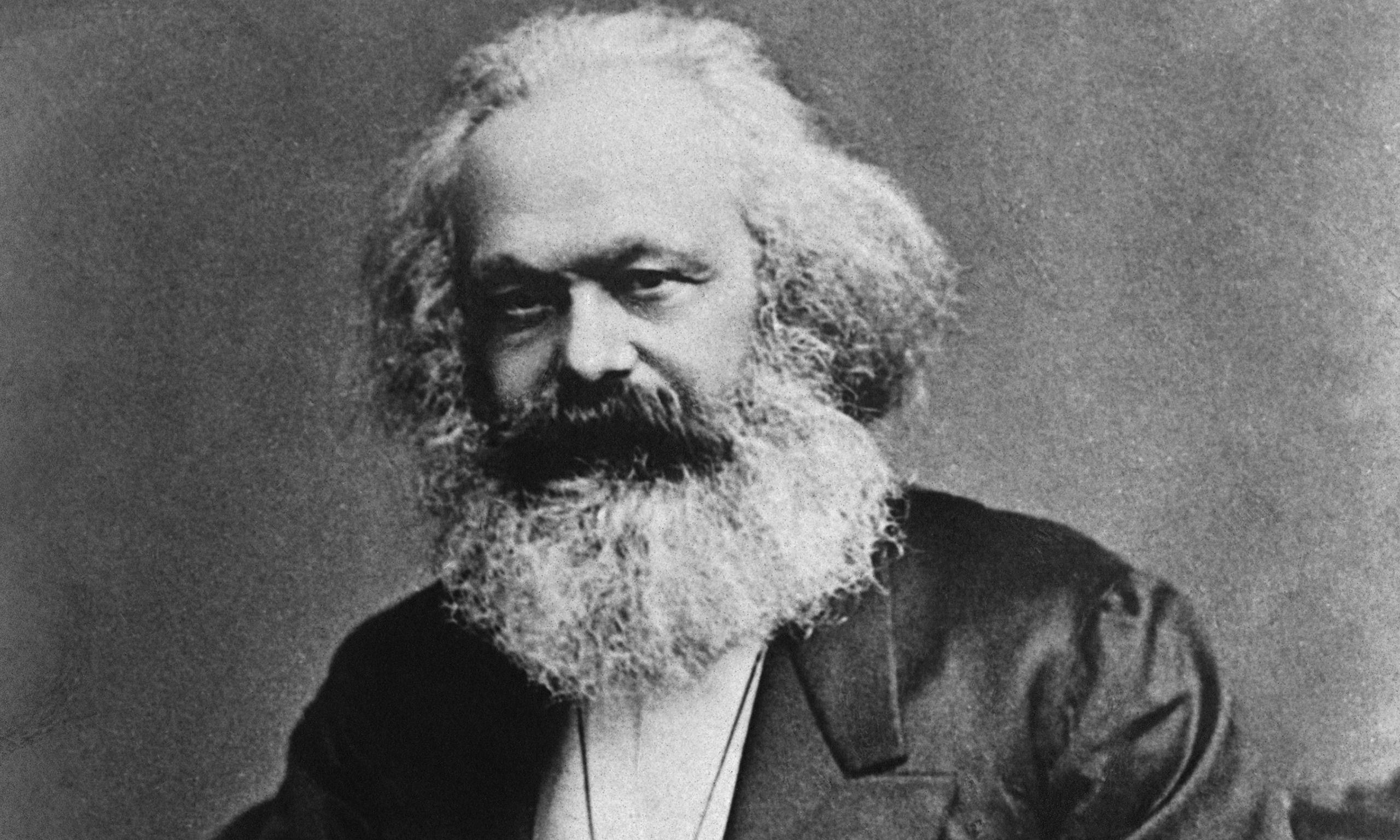
Karl Marx is widely regarded as the most trenchant critic of capitalism. In Das Kapital, published in 1867, he identified a number of important shortcomings in the capitalist system that underlie its foundations.
Marx maintained that capitalism was founded on the exploitation of labor. His claim was based on his analysis of the labor theory of value, which holds that all economic value derives from labor. (According to Marx, the only commodity not sold at its real value is human labor.) Put simply, workers are paid less than the value they produce. The difference between the value workers produce and what they are paid is the source of profit for the employer or the owner of the means of production. That is the fundamental issue in his criticism of capitalism.
Perhaps it was idealistic, but Marx wrote that if workers were paid the value they produced, there would be no profit and thus capitalism would disappear. In its place would be socialism, in which property was socially (as opposed to privately) owned and in which all members of society would contribute according to their ability and receive according to their needs. That premise sends capitalists into orbit. In Marx’s model, the result would be a society without capitalist exploitation and worker alienation. Marx appealed to the workers of his time and helped start the modern labor movement, which did improve working conditions.
Marx’s efforts, vehemently criticized by threatened capitalists who held almost absolute power in society, have flourished in Russia (despite its corruption), in China, North Korea, Laos, Viet Nam, Cuba and a few others. And a number of European nations have adopted some “socialist” policies.
If religion, specifically Protestant Christianity, could be used to justify the profit motive that drove the Industrial Revolution, it could also be used to make a moral case for tempering its effects. The "Social Gospel" movement in the United States was a prime example of this. The argument was that restraining unfettered capitalism and restructuring society more equitably was a Christian imperative.
Many workers condemned the rise of a society they saw as founded on the sin of “avarice” and the “undue exercise of…selfish propensities.” The pursuit of wealth, wrote one worker, “make[s] a total wreck of everything noble, generous or philanthropic,” making “dollars…the only joyous sounds that strike upon the ear . . . the only objects of sincere worship.”
The divorce of religious principles from industrial relations was, in the words of another, “a fatal wrong,” which allowed “professed Christians to practice injustice in their business, social and political capacities.” They were equally critical of fellow workers who “worshiped at the altar of mammon,” a Biblical reference to the demon of gluttony and riches. But as I say, these efforts, as noble as they were, had minimal impact. Many Christian socialists in Europe made similar arguments, pointing out that there was little in Christianity to support the ruthless competitive ethos unleashed by the Industrial Revolution. These arguments were simply overridden by the incredible momentum of change at the time.
Even in the 1860s, Marx maintained that the worst exploitation had been exported to the colonies. Today’s critics claim that multinational corporations derive much of their profits from the exploitation of workers in less developed countries. Firms like Nike, Apple, Dell, HP, Levi’s, Ford, General Motors, Converse, Gap, Rawlings, American Girl, Whirlpool, Adidas, Black & Decker, Pyrex, Fender, Gibson, Tupperware, Firestone, IBM, GE, and Hoover, to name just a few, produce their products in low-wage countries. Included in this notion is also the criticism of multinational corporations that use child labor, pay pitifully low wages to employees in less developed countries, or utilize suppliers that run sweatshops. Even in the U.S., many employees of Walmart and Amazon (two of our biggest retailers) have to rely on public assistance to subsidize their paltry wages.
The net effect of all this is a fantastically successful economic society with few ethical restraints and, unfortunately, little or no compassion. As a result, we have a society dedicated to politics, economics, conflict, and getting ahead at almost any cost. Burdened by economic inequality, the social vestiges of slavery, issues of equal rights for women, minorities, and gays, and limited healthcare, we enjoy greater equality, greater freedom, and stronger legal protections than our forefathers. But nature continues to be sacrificed amid the inherent conflict between capitalism and society, with only limited regard for the consequences.
The conflict over ethics in business continues to the present, and although unions have helped, most companies have found ways to keep their workers from organizing. The compassionate values of Christianity and Buddhism have been relegated to the status of a sideshow. And as long as issues such as global warming, plastic pollution, deforestation, mining, oil drilling, overfishing, biodiversity loss, air pollution, melting ice caps, and ocean acidification continue with little regulation and the climate crisis remains further politicized, predictions for the future are bleak.
Today’s corporations are more sensitive to community values, some because they want to and others because they have to. But managers are still constrained by the need to produce profits, and as you will see, when it comes to profit vs. morality, morality tends to go out the window. I do not mean to paint all corporations with the same brush, but as you will see in appendices B and C (which follow), the lobbying efforts of business organizations have warped the regulation of entire industries in business’s favor, to the detriment of the public’s health and well-being.
Our streets and urban freeway underpasses are lined with misfits who do not or cannot fit into commercial society. The lower classes (defined by economic criteria) creep along in low-wage, marginal jobs, scraping by as best they can, often depending on government handouts, begrudgingly given as “socialism.”
An analysis by the Institute on Taxation and Economic Policy reveals that at least 88 major U.S. corporations—including Tesla, United Airlines, 3M, Citigroup, Coinbase, Palanir Tech. and CVS Health—paid zero federal income taxes on $105 billion in pretax profits— that’s profits, not sales.
I offer the following contrasts of the present situation:
Housing costs 8x the average salary - it used to be 3x.
Healthcare costs rise faster than wages - every single year.
College costs 1,200% more than 40 years ago.
Real wages haven’t moved in 20 years - adjusted for inflation.
The average American has less than $1,000 in savings.
One medical bill can bankrupt a family - even if they have insurance.
The retirement age keeps rising - 65, 67, 70 . .
Two incomes can’t do what one did in 1975.
Social Security won’t be enough - and everyone knows it.
The wealth gap grows by $trillions every year.
The wealthy, on the other hand, are getting along famously in this culture. With their abundant incomes, estates in Mara Largo or the Hamptons, private jets, yachts and limousines, they’ve never had it so good. The emerging class of AI oligarchs will create a new group of the wealthy. The gap grows by trillions of dollars every year. The thing is, any one of these billionaires could end world hunger or make a huge dent in communicable diseases in the third world and still have plenty left over, but they do not. Compassion, caring and kindness are not part of the capitalist handbook. Greed is.
If one seeks genuine spiritual meaning, one must look beyond modern Western society to the traditions of Christianity, Hinduism, or Buddhism (see Spirituality in the appendix). Given this context, it is essential that we remember why we have come here. And it is not to die wealthy!
The reasons for our presence have been with us for thousands of years, embedded in the ethical values taught by religious and spiritual leaders. Because these teachings call us to step outside ourselves and enter the realms of compassion and forgiveness, they challenge the self-centered beliefs we hold (which is what we came here to work on). As a result, we typically turn away from this challenge and focus on the less demanding goals of security and making money. But resolving that ethical conflict is why we came here in the first place!
APPENDICES
SPIRITUALITY - appendix A
I would ask you to consider the teachings of two of our most revered spiritual teachers, Jesus and the Buddha. Jesus spoke largely of behaviors as expressions of deeper truth. He began His teaching with a series of teachings that correlated blessing, instruction, and promise, expressed as The Beatitudes. Buddha, on the other hand, focused more on personal values, believing that good deeds would naturally flow from those. We will consider both, but notice the complete absence of political, economic or financial considerations in the teachings of either.
CHRIST’S TEACHINGS:
“Blessed are the poor in spirit,
for theirs is the kingdom of heaven.”
To live as "poor in spirit" means to humbly acknowledge one’s limitations and the need for God’s mercy. Those who are poor in spirit are blessed because their humility allows them to enter into a right relationship with God.
“Blessed are they who mourn,
for they will be comforted.”
When we “mourn” over what we do, it brings our hearts to repentance. Thus, God will forgive us our sins and give us comfort in our hearts.
“Blessed are the meek,
for they will inherit the land.”
In the Psalms, the term "meek" refers to those who are gentle, humble, and not easily provoked, embodying a spirit of submission and trust in God.
“Blessed are they who hunger and thirst for righteousness,
for they will be satisfied.”
Those who earnestly desire to live in right relationship with God and others will be spiritually fulfilled.
“Blessed are the merciful,
for they will be shown mercy.”
To be merciful means to show kindness, compassion, and forgiveness to others, especially when they may not deserve it. Mercy is not a sign of weakness but a reflection of God’s love and character in our lives.
“Blessed are the clean in heart,
for they will see God.”
To be pure in heart is to have a single-minded devotion to seek God and yield to His ways.
“Blessed are the peacemakers,
for they will be called children of God.”
A peacemaker is not merely someone who avoids conflict, but someone who actively works to reconcile people with God and with one another.
THE BUDDHA
The core teachings of the Buddha center on understanding the nature of reality, ending human suffering, and attaining ultimate inner peace through self-reliance, wisdom, and compassion. The foundation of these teachings rests on four core principles:
The Four Noble Truths
These four truths identify the problem of suffering and offer the cure:
Life involves inherent dissatisfaction, pain, and impermanence. Suffering is caused by craving, attachment and ignorance. There is an end to suffering when you free yourself from attachment.
The path to ending suffering is the Eightfold Path.
The Noble Eightfold Path
This is the practical guide to living an ethical and mindful life. It is not followed sequentially, but rather practiced all at once to achieve balance. This is what the Buddha called The Middle Way.
Wisdom;
- Having a Right View: Seeing things as they truly are, free from delusion.
- Right Intention: Committing to selflessness, compassion, and renunciation.
- Ethical Conduct:
- Right Speech: Speaking truthfully and kindly, avoiding gossip or harsh words.
- Right Action: Acting ethically and harmlessly (e.g., abstaining from things like killing or stealing).
- Right Livelihood: Earning a living without harming others or the planet.
- Mental Discipline:
- Right Effort: Cultivating positive states of mind and abandoning negative ones.
- Right Mindfulness: Staying fully present and aware of your thoughts and actions.
- Right Concentration: Developing deep focus and meditation to calm the mind.
The Three Universal Truths (Marks of Existence)
To break free from suffering, the Buddha taught that you must deeply understand these three realities of existence:
- Impermanence (Anicca): Everything in life is constantly changing. Clinging to things that naturally shift causes pain.
- No-Self (Anatta): There is no permanent, unchanging "soul" or "I." We are ever-changing collections of physical and mental processes.
- Suffering (Dukkha): The unavoidable dissatisfaction that comes from failing to accept impermanence and no-self.
FOOD - appendix B
The subject of this discussion is the health of our food supply, but I also want to illustrate how corporate society manipulates the government and sacrifices public health to serve its self-centered profit interests.
If you walk the aisles of any supermarket in the U.S. today, you will find little but chemically laden, pre-prepared, ready-to-eat foods. Americans either do not have the time to cook or are not willing to take it. Thus, the market has responded.
Approximately 10,000 chemicals used in food production, processing, and packaging are classified as safe by the FDA under the Generally Recognized As Safe (GRAS) rule. According to food experts, the FDA’s regulation of food additives is deeply flawed because it allows manufacturers to declare their products safe without independent FDA review. The GRAS rule was designed to expedite approval of chemicals “generally recognized as safe" based on historical use or scientific consensus.
However, this loophole allows companies to introduce new chemicals into the food supply without adequate long-term safety studies (Benbrook, 2018). Many of these additives were approved decades ago based on outdated research and have not been reassessed despite growing evidence of health risks (Centers for Science in the Public Interest, 2019). This self-certification process places responsibility on food companies rather than an impartial regulatory body, often creating conflicts of interest (Johnson & Turner, 2017). And so the plot thickens.
Another reason the FDA has not banned certain harmful chemicals is industry pressure. The food industry is invested in maintaining the status quo because many of these chemicals are cost-effective and help improve product shelf life, taste, texture and appearance. Under pressure from industry lobbyists, the FDA often takes a reactive rather than a proactive stance on regulating chemicals in our food supply (U.S. Government Accountability Office, 2016).
Studies have linked certain food additives, preservatives, and chemicals to serious health issues, including cancer, obesity, behavioral problems in children, and metabolic disorders (Smith et al., 2015; WHO, 2015). A study in the Journal of the Academy of Nutrition and Dietetics found that 60% of foods purchased by Americans contain additives, including coloring or flavoring agents, preservatives, and sweeteners. Growing concerns persist about the long-term health impacts of many of these chemicals.
When we look at other countries, one of the most striking differences is the use of food additives. In regions like the European Union and Canada, stricter food safety regulations ban or restrict numerous chemicals, preservatives, and artificial ingredients due to their potential health risks (European et al. [EFSA], 2019). Many of these chemicals remain legal in the United States. These countries have taken a more precautionary approach to food safety, prioritizing consumer health by enforcing regulations that reduce the use of synthetic additives in food products. Many American food producers manufacture the same processed foods for international markets but omit harmful additives used in the U.S.
Between 1950 and 2000, an estimated 7.25 million deaths in the U.S. were attributable to diet-related factors, particularly the long-term consumption of processed foods laden with artificial additives, preservatives, and unhealthy fats (Centers for Disease Control and Prevention [CDC], 2010). Research indicates that poor dietary choices, including foods high in trans fats, artificial preservatives, and sugar-laden additives, influence approximately 30% of cancer cases and 35% of cardiovascular deaths (World Health Organization [WHO], 2015; Mozaffarian et al., 2006). Additionally, diabetes, a disease strongly linked to diet, has seen rising rates during this period, with dietary factors contributing to as much as 25% of diabetes-related deaths (Bray et al., 2004).
Most American shoppers assume the word "organic" on a USDA label means the produce inside was grown without chemicals. It does not. Organic farmers are explicitly allowed to use certain chemicals, which consumers pay premium prices for and believe are excluded. The USDA National Organic Program explicitly permits more than 25 substances for use on certified organic produce. The list includes copper sulfate, spinosad, pyrethrin, sulfur, and hydrogen peroxide, among others. Several of these are flagged by the Environmental Working Group for environmental and human health concerns. Copper sulfate, in particular, accumulates in soil and produce tissue and is heavily used on organic apple, grape, and tomato crops.
This underscores the need for American consumers to be vigilant and informed about their food choices when shopping. For example, ingredients such as carrageenan, sodium benzoate, and artificial sweeteners can be found in products marketed as healthy, including plant-based milk alternatives, protein bars, and low-calorie snacks.
Consider just one of many stories: In 2022, Abbott Laboratories recalled infant formula and shut down its Michigan plant after FDA inspectors found serious sanitation failures and traces of Cronobacter sakazakii, a bacterium that can be deadly to infants.
The shutdown triggered one of the worst baby formula shortages in modern American history. Federal investigators looked into whether Abbott violated federal food-safety laws. According to multiple reports, prosecutors believed there was sufficient evidence to pursue criminal charges against individual executives.
Then the timeline shifted. Abbott donated $500,000 to Donald Trump's inauguration fund. Months later, Trump's Department of Justice closed the criminal investigation. No criminal charges. No corporate indictment. The case was resolved through civil enforcement. Trump's Justice Department says it prefers civil enforcement to what it calls "regulation by prosecution.” That's their explanation.
But here's the question: Why does a company under criminal investigation donate half a million dollars to the president's inauguration… only to see the criminal case disappear?
I want to be careful not to paint all corporations with the same brush, but I urge you to take the time to learn about and read the labels on the food you are about to consume.
PLASTICS appendix C
There is probably no greater example of corporate corruption than the plastics industry. Fueled by big oil, the plastics industry has pulled off the greatest con job in human history. The industry pumps billions of tons of its plastic products into consumer and industrial markets without any mechanism for recycling or reuse. Plastic waste gets dumped into our oceans and landfills with complete disregard for its detrimental impacts on people, wildlife, and the environment.
The reason this has been conveniently hidden from public discussion is that plastic does not degrade. "Plastic never goes away — it just breaks down into finer and finer particles," said Desiree LaBeaud, MD, a pediatric infectious diseases physician at Stanford Medicine and co-founder of the university's interdisciplinary Plastics and Health Working Group.
The durability of plastic molecules contributes to their staying power — scientists believe that all the plastic ever made, except that which has been incinerated (which releases some really nasty toxic atmospheric gases and heavy metals), is still around because it simply doesn’t degrade. The only way to deal with plastic waste is to create an entire industry to reuse it in things like roadways, building blocks, etc., and the oil and gas boys haven’t been willing to do that. It has been easier to just dump the problem on the public.
LaBeaud argues that when the world produces 450 million tons of plastic each year - more than a million tons every day, an amount expected to triple by 2060 - we’ll all be buried in plastic waste. (Think about a pile of a million tons of plastic bottles and food containers - coming every day!) This adds to the nearly 5 billion metric tons of plastic that have already accumulated in landfills and the environment.
As plastics are ground into finer particles, they release hazardous compounds, including bisphenol A (BPA), dioxins, phthalates, furans, and heavy metals—substances linked to respiratory illnesses, endocrine disruption, and cancer. These pollutants enter the environment through soil leaching, air transport, and bioaccumulation throughout the food chain. Alarming data points underscore the gravity of the issue:
Plastic fragments up to 5 millimeters long are inescapable. Scientists estimate that adults ingest the equivalent of one credit card's worth of microplastics each week. An estimated 10 to 40 million metric tons of these particles are released into the environment each year, and if current trends continue, that number could double by 2040.
Evidence is mounting that exposure to plastic is harmful. Studies show that microplastics make fish and birds more vulnerable to infection. Animal and cellular studies have linked microplastics to biological changes, including inflammation, impaired immune function, tissue deterioration, altered metabolic function, abnormal organ development, cell damage, and more. Recent research by scholars at the University of California, San Francisco, concluded that exposure to microplastics is suspected of harming reproductive, digestive, and respiratory health and suggested a link to colon and lung cancer.
Recent headlines have sounded the alarm about plastic particles in tea bags, seafood, meat, toothbrushes, and bottled water. Studies on animals and human cells suggest that exposure to microplastics could be linked to cancer, heart attacks, reproductive problems, and a host of other harms. Yet few studies have directly examined the impact of microplastics on human health (isn’t that interesting!), leaving us in the dark about how dangerous they really are.
Children, whose organs are still developing, are at higher risk of harm than the rest of us. Kara Meister, MD, a pediatric otolaryngologist and head and neck surgeon at Stanford Medicine, noticed that thyroid cancer was becoming more common among her patients and was often linked to autoimmune disease. Considering what might be disrupting children's hormones, she decided to research microplastics.
In early 2024, Meister and her team began looking for microplastics in tonsils they'd removed from healthy children with conditions such as sleep apnea. "What we found is that there are definitely microplastics in a high proportion of pediatric tonsil tissue, and they seem to be not only on the surface but also deep within," she said. In one child's tonsils, the team found specs of Teflon visible with a microscope.Guardian
With few other alternatives, many nations simply dump their plastic into the ocean, kicking the can down the road. Each year, nearly eight billion tons of plastic enter aquatic ecosystems, disrupting marine biodiversity and increasing the risk of human exposure to toxic byproducts. In the 1970s, researchers observed small pieces of plastic in marine plankton. The term "microplastics" refers to plastic particles less than 1 micrometer in size, known as “nanoplastics.”
Regarding the plastics industry’s practice of saturating the political process with lobbyists (and money), an article in The Guardian reported:
The core concern of six insiders who spoke to the Guardian was that the polluters are exerting too much power, not just within the negotiations but also within the UN Environment Programme (Unep), which is concerned with plastics pollution and oversees negotiations with the industry. One source said they were “horrified” by the industry’s influence on policy and the sidelining of real solutions to plastic pollution, calling it “corporate capture.”
A flood of industry lobbyists and organizations have joined the talks, far outnumbering national delegations and scientists. They assist a group of petrostates, led by Saudi Arabia, in blocking the progress that many nations want, and are part of a wider “petrochemical bloc” that a recent study says “is driving up plastics production, externalizing the costs of pollution, distorting scientific knowledge and lobbying to derail negotiations.
