
by shaman Ross Bishop
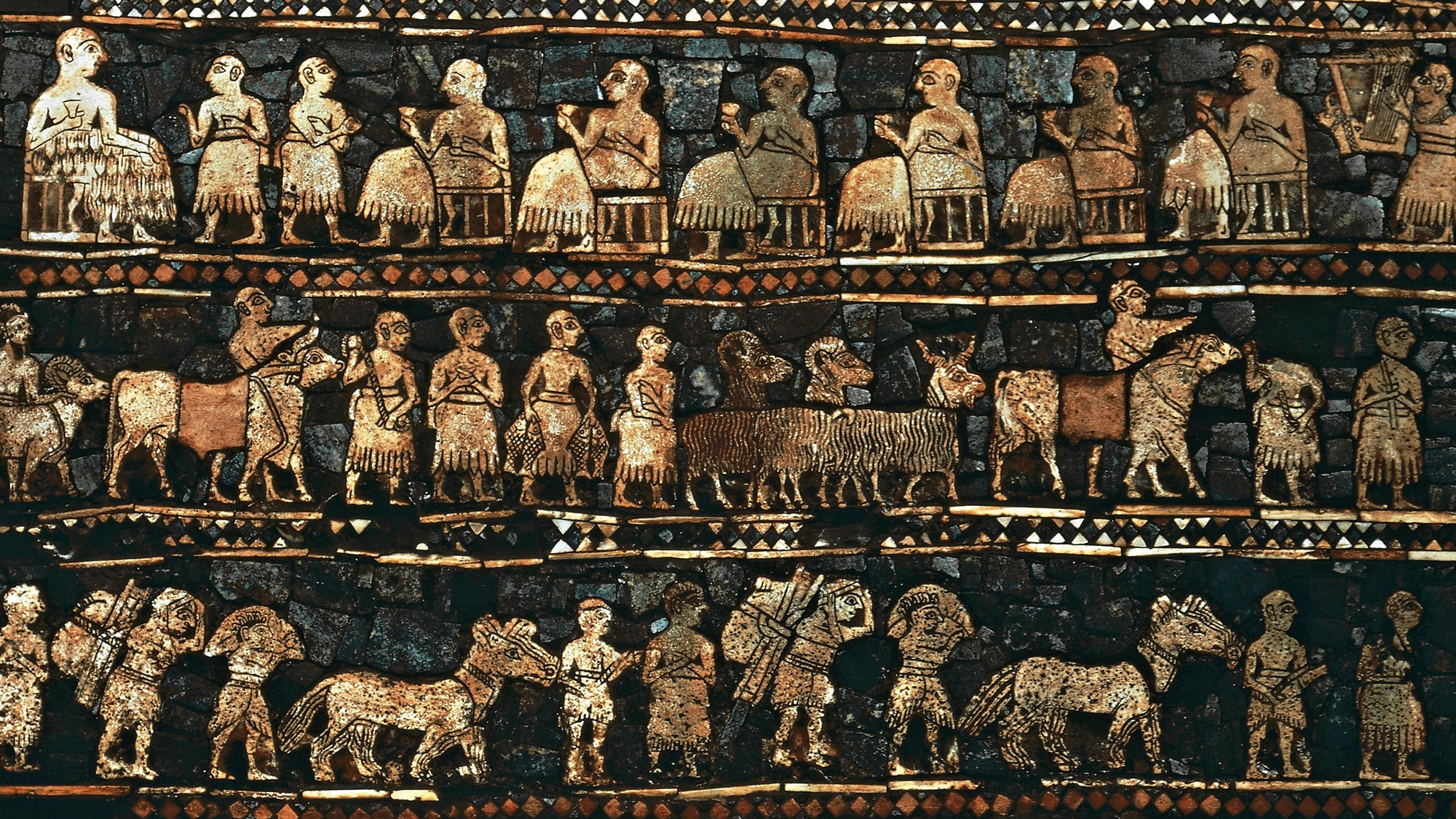
Going back to 5,000 BC to the ancient Sumerians and 2,000 BC to the Mayans, a deity of some kind has always been with us. Called by many names and interpreted differently, whether it was Mau, Itzamná, God or Zeus, up until modern times, there has always been a spiritual presence influencing and guiding human behavior.
Some of the early American colonists came here to be free from religious persecution, and they created a country where church and state were scrupulously separate. Somewhat later in England, the rationalists like Adam Smith advocated a business-oriented society based on factory labor (the modern equivalent of slavery) and soulless economics, deliberately devoid of spiritual influence. Western society has continued to grow and prosper under that godless model to the present.
The net effect of all this is a fantastically successful society with few ethical restraints and little or no compassion. As a result, we have a society dedicated to politics, economics, conflict and getting ahead at almost any cost. Nature continues to be sacrificed under this doctrine with only a limited regard for the consequences. Christianity has been relegated to the status of a side show. If one is to find any real spiritual connection, one must look beyond Western society to the traditions of Hinduism or Buddhism.
Our streets and freeway underpasses are lined with the misfits who do not or cannot fit into commercial society. The lower classes (defined by economic criteria) creep along in minimum-wage, marginal jobs, scraping by as best they can, often depending on government handouts, begrudgingly given as “socialism.” Our biggest retailer, Walmart, pays so little that many of its employees have to supplement their pay with governmental assistance.
The wealthy, on the other hand, are getting along famously in this society. With their abundant incomes, estates in Mara Largo or the Hamptons, yachts and limousines, they’ve never had it so good. And the emerging class of AI oligarchs stands to create a whole new class of super-wealthy in society.
The effects of technological advancement are not new, as new creations regularly displace those engaged in the “old” ways. Trains and roads made canals irrelevant, moving bulk goods to market. The invention of cars and trucks made horses and teamsters obsolete. We no longer have telephone operators or Western Union. IBM’s Selectric and other typewriters are gone, as are the secretaries who used to use them. I am writing this article on a computer and will send it out to you via wifi, and you will read it on an electronic screen. No more hard copy.
Newspapers no longer need typesetters, and the newspaper’s traditional influence in society has been greatly diminished by a myriad of news sources on the internet and cable news. Since the introduction of email, the Post Office’s volume of mail has decreased by 46%. We no longer have camera shops and photo processing. Kodak is gone! Everything is digital. When was the last time you went to a movie theater? Our food supply and medicine manufacturing are dominated by large chemical conglomerates whose dominant interest is profit.
Historically, the greatest driver of technology has been the military. The invention of the gun changed warfare almost overnight. Airplanes and rockets defined conflict for the previous generation, and today, autonomous drones and sophisticated electronic technology are “upgrading” the battlefield. I could go on, but I think you get my point.
In the near term, we face the greatest technological challenge in human history - that of AI, and its potential to wreak total havoc across all aspects of society cannot be overestimated - especially if unregulated and conducted in our present compassionless economic environment. AI threatens to control all aspects of society and the dispossession of millions of workers. It will present society with its greatest ethical conflict since the American Civil War.
Given this context, it is essential that we remember why we have come here. And it is not to die wealthy! The reasons for our presence have been with us for thousands of years, but because they challenge our egos and threaten what we have come to believe about ourselves, we turn away from them and put our energy into the less challenging goals of security and making money.
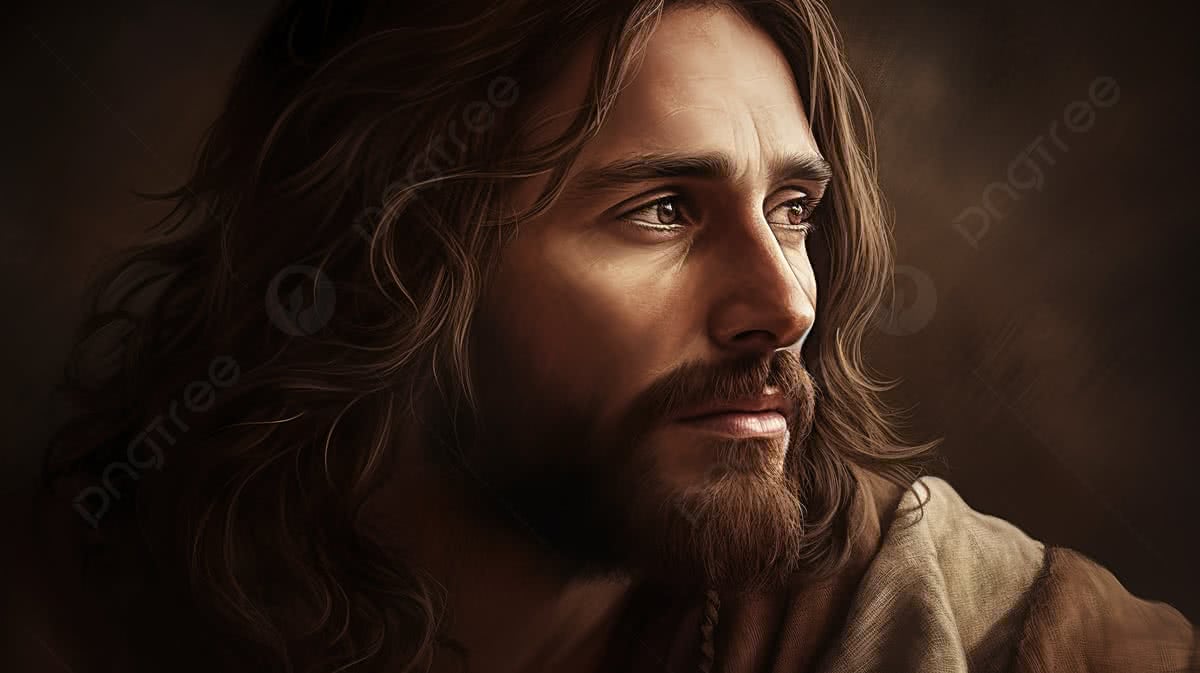
I would ask you to consider the teachings of two of our most revered spiritual teachers, Jesus and the Buddha. Jesus spoke largely of behaviors as expressions of deeper truth. He began His teaching with a series of teachings correlating blessing, instruction and promise, expressed as The Beatitudes. Buddha, on the other hand, focused more on personal values, believing that good deeds would naturally flow from those. We will consider both, but notice the complete absence of political, economic or financial considerations.
SOME OF CHRIST’S TEACHINGS:
“Blessed are the poor in spirit,
for theirs is the kingdom of heaven.”
The term "blessed" (Greek: μακάριοι, makarioi) conveys more than happiness; it signifies being privileged to receive God’s favor, resulting in deep, enduring joy. To live as "poor in spirit" means to humbly acknowledge one’s limitations and the need for God’s mercy. Those who are poor in spirit are blessed because their humility allows them to enter into a right relationship with God.
“Blessed are they who mourn,
for they will be comforted.”
The way Jesus uses the word “mourn,” he is referring to those who regret their actions, for then they will be comforted. When we “mourn” over what we do, it brings our hearts to repentance. Thus God will forgive us our sins and give us comfort in our hearts.
“Blessed are the meek,
for they will inherit the land.”
Jesus spoke these words to a group that would have found them perplexing. It was a world where Caesar ruled by force and armies killed to claim land. In the Psalms, the term "meek" refers to those who are gentle, humble, and not easily provoked, embodying a spirit of submission and trust in God. The meek are identified as those who trust the Lord and patiently wait on him for vindication. Instead of enacting vengeance against the wicked around them, they refrain from acting in anger. In our world today where rights are everything and pride is a virtue, this brand of meekness seems like an insult that suggests weakness.
“Blessed are they who hunger and thirst for righteousness,
for they will be satisfied.”
The phrase “hunger and thirst for righteousness” is metaphorical, comparing the deep, essential human needs for food and water to the spiritual longing for righteousness, justice, and moral integrity.
Those who earnestly desire to live in right relationship with God and others will be spiritually fulfilled.
“Blessed are the merciful,
for they will be shown mercy.”
To be merciful means to show kindness, compassion, and forgiveness to others, especially when they may not deserve it. This includes forgiving wrongs, helping those in need, and acting with empathy and understanding. Mercy is not a sign of weakness but a reflection of God’s love and character in our lives.
The pagan Roman world of Jesus’s time despised pity; likewise, the Pharisees doled out mercy with extreme prejudice because they saw others' suffering as a consequence of their sins. But Jesus prescribed a new way of dealing with people. This kind of mercy—the unmerited kind—would have been a foreign concept.
“Blessed are the clean in heart,
for they will see God.”
To be pure in heart is to have a single-minded devotion to seek God and yield to His ways. To expand on this thought, Jesus later reiterated the first and greatest Old Testament command to His followers, “’Love the Lord your God with all your heart and with all your soul and with all your mind.”
“Blessed are the peacemakers,
for they will be called children of God.”
The Hebrew word for peace,“Shalom,” means much more than just absence from strife. It means completeness or wholeness. A peacemaker is not merely someone who avoids conflict, but someone who actively works to reconcile people with God and with one another. This involves taking the initiative to resolve disputes, restore relationships, and promote harmony in families, communities, workplaces and society at large.
THE BUDDHA
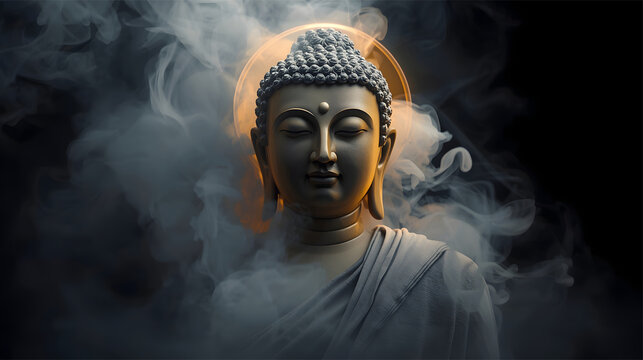
The core teachings of the Buddha center on understanding the nature of reality, ending human suffering and attaining ultimate inner peace through self-reliance, wisdom, and compassion. The foundation of these teachings is built on four core principles:
The Four Noble Truths
These truths identify the problem of suffering and offer the cure:
- The Truth of Suffering (Dukkha): Life involves inherent dissatisfaction, pain, and impermanence.
- The Cause of Suffering (Samudaya): Suffering is caused by craving, attachment and ignorance.
- The Cessation of Suffering (Nirodha): There is an end to suffering when you free yourself from attachment.
- The Path to the Cessation of Suffering (Magga): The path to ending suffering is the Eightfold Path.
The Noble Eightfold Path
This is the practical guide to living an ethical and mindful life. It is not followed sequentially, but rather practiced all at once to achieve balance (The Middle Way):
- Wisdom
- Right View: Seeing things as they truly are, free from delusion.
- Right Intention: Committing to selflessness, compassion, and renunciation.
- Ethical Conduct
- Right Speech: Speaking truthfully, kindly, and avoiding gossip or harsh words.
- Right Action: Acting ethically and harmlessly (e.g., abstaining from things like killing or stealing).
- Right Livelihood: Earning a living that does not harm others or the planet.
- Mental Discipline
- Right Effort: Cultivating positive states of mind and abandoning negative ones.
- Right Mindfulness: Staying fully present and aware of your thoughts and actions.
- Right Concentration: Developing deep focus and meditation to calm the mind.
The Three Universal Truths (Marks of Existence)
To break free from suffering, the Buddha taught that you must deeply understand these three realities of existence:
- Impermanence (Anicca): Everything in life is constantly changing. Clinging to things that naturally shift causes pain.
- No-Self (Anatta): There is no permanent, unchanging "soul" or "I." We are ever-changing collections of physical and mental processes.
- Suffering (Dukkha): The unavoidable dissatisfaction that comes from failing to accept impermanence and no-self.
Core Principles for Daily Life
Beyond the major philosophical pillars, Buddha's teachings emphasize daily virtues:
- Compassion & Non-Violence (Ahimsa): Deep respect for all living beings, causing no harm.
- The Five Precepts: The basic code of conduct; abstaining from killing, stealing, sexual misconduct, lying and intoxication.
- Self-Reliance: You are your own master. The Buddha provides the map, but you must walk the path yourself.
Following either or both of these Masters will lead you to a confrontation with the beliefs you hold about yourself - the whole reason you are here. But don't just take my word for it, Pope Leo XIV, who knows Western society and who has studied the effects of technology, set out a sweeping vision for corporate executives, politicians and individuals who will shape and be shaped by the future of artificial intelligence, warning leaders to safeguard humanity from A.I.’s most disruptive effects. Leo’s declaration outlined his desire to protect human dignity and agency in an age in which technology threatens to replace humans in many professional and social roles. . . Leo wrote that “the pursuit of greater profits cannot justify choices that systematically sacrifice jobs.”
Among other things, Leo called for:
- government regulation of private companies driving the development of A.I.
- protection and retraining for workers whose jobs are threatened
- education to help students think critically about the technology
- action to protect children from violent, hypersexualized or fake information online that is often generated by A.I.
- safeguards to ensure that humans, not artificial intelligence, remain responsible for all decisions regarding the use of weapons.
Above all, he emphasized the importance of retaining a fundamental social role for all human beings. “A society that guarantees employment to only a small fraction of the population, despite having a high level of technical development, risks exposing many to forced inactivity. . . This creates a paradox of material progress and anthropological regression that undermines the foundations of a just and stable social peace,” he added. (taken from the NY Times)
It is not difficult to see that our present course is setting society as a whole up for conflict over these values. We have avoided that confrontation for some time, but the clock is ticking. The Universe will not continue to accept a lack of spiritual direction in our society. We will doubtless try to avoid that confrontation, but the inevitable is impossible to avoid.
Each one of us who welcomes the Master’s teachings into their lives lessens the burden on the rest and makes the transition easier for society as a whole. And besides, as I say, it is why you are here!
Namaste`
Copyright@BlueLotusPress 2026
